

Burette: Definition, Types, Uses, Diagram, Stand, Set & Complete Guide for Laboratory Applications

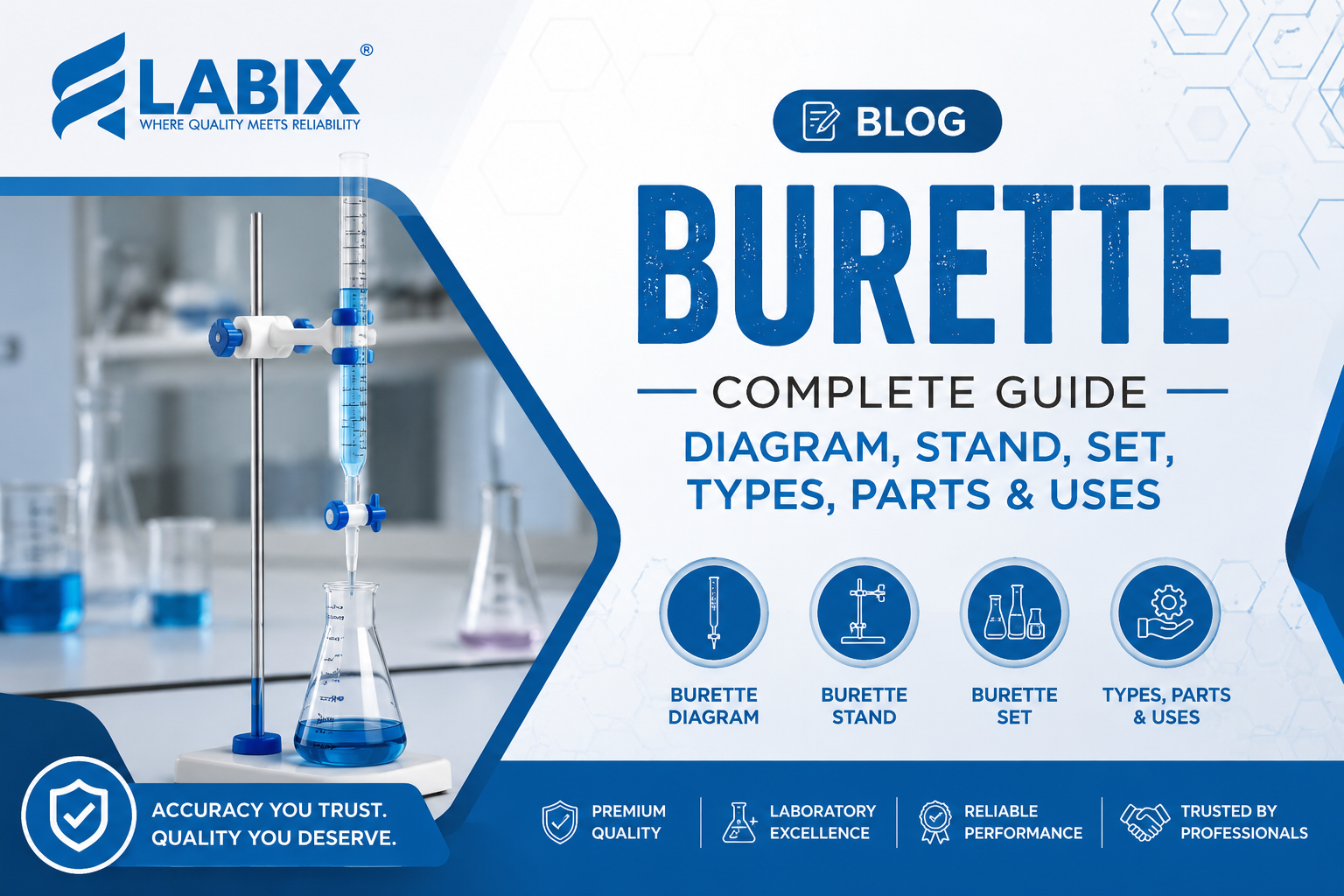
A burette is a precision laboratory glassware instrument used to measure and dispense controlled volumes of liquid, particularly during titration and quantitative chemical analysis. Its graduated tube and controlled-flow stopcock allow laboratory users to add reagents accurately and determine the volume delivered.
Burettes are widely used in chemistry, pharmaceutical, food testing, environmental, educational, and research laboratories. LABIX Labware offers a range of laboratory glassware, including burettes and related volumetric products.
What is a Burette?
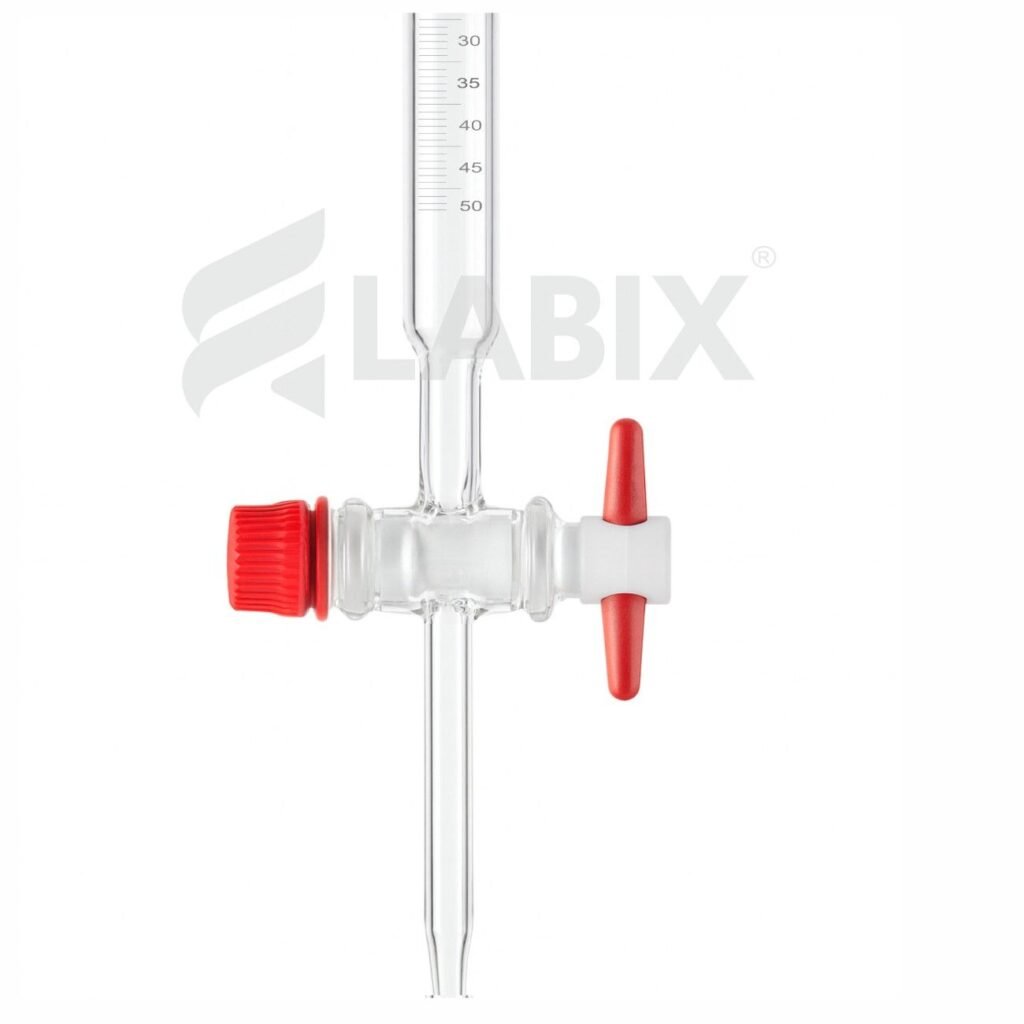
A burette is a long, graduated tube fitted with a stopcock and delivery tip at the lower end. The stopcock controls the flow of liquid, allowing the operator to add a reagent gradually, including drop by drop near the endpoint of a titration.
Unlike general-purpose measuring vessels, burettes are specifically designed for controlled liquid delivery and accurate volume determination. The graduations normally increase downward, so the volume delivered is calculated from the difference between the initial and final readings.
Burette Diagram
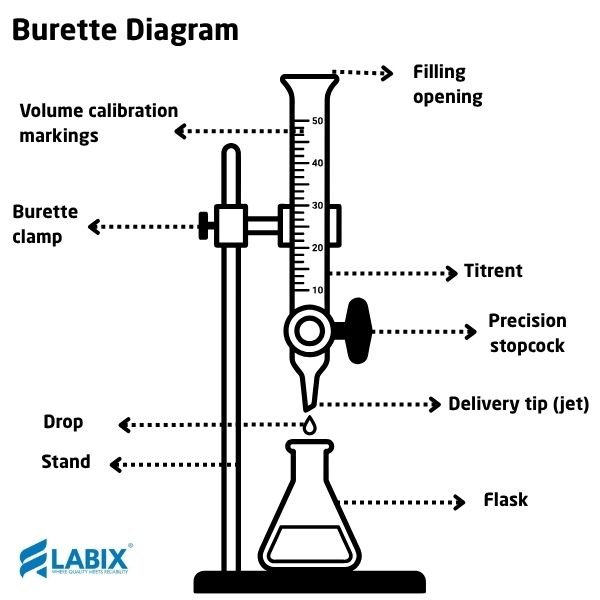
A typical burette setup may include:
- Graduated glass tube
- Calibration markings
- Stopcock
- Stopcock handle
- Delivery tip
- Burette clamp
- Burette stand
- Receiving flask
- Titrant or reagent
The diagram helps explain how the reagent travels from the burette through the stopcock and into the receiving vessel during a titration.
Parts of a Burette
Understanding every component helps achieve better experimental accuracy.
1. Graduated Tube
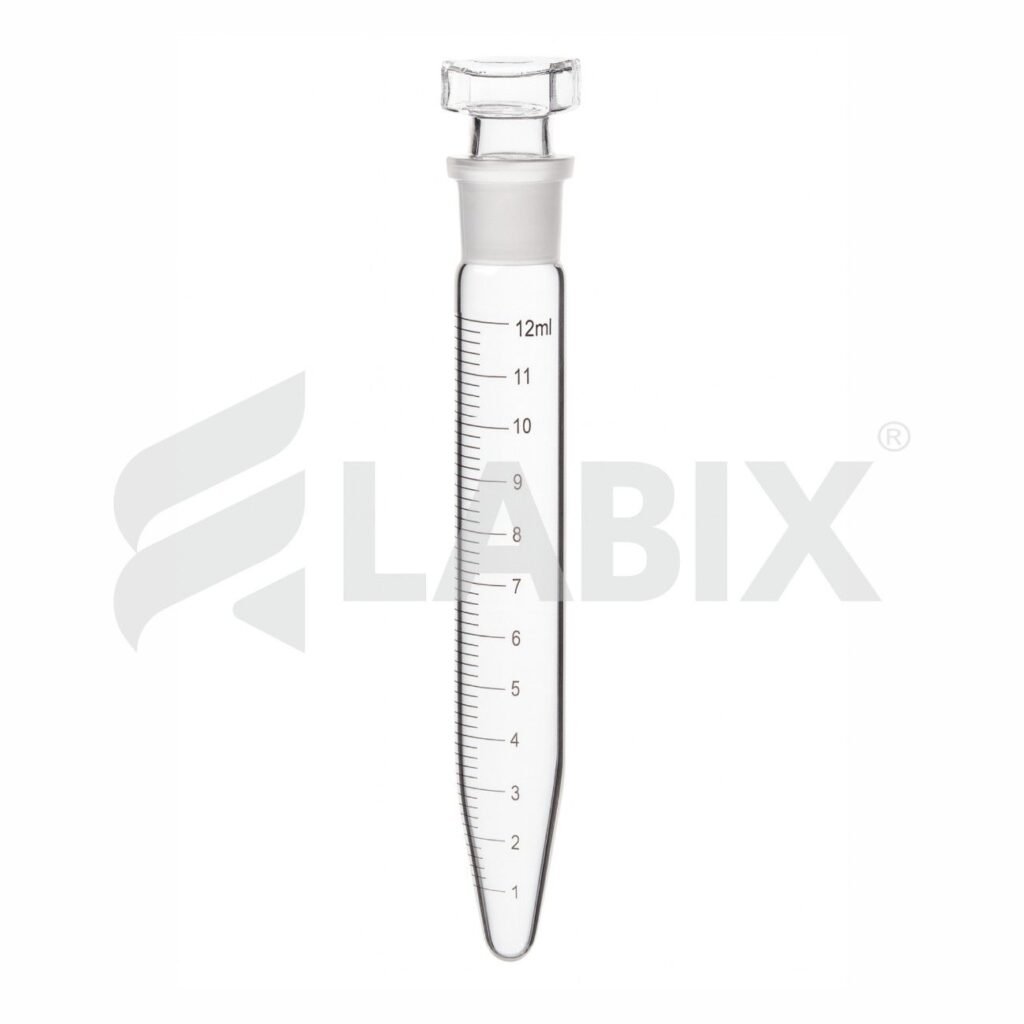
The main body of the burette contains accurately positioned graduation marks for measuring the volume of liquid delivered.
2. Calibration Scale
The graduated scale allows the operator to record the initial and final liquid levels and calculate the amount dispensed.
3. Stopcock
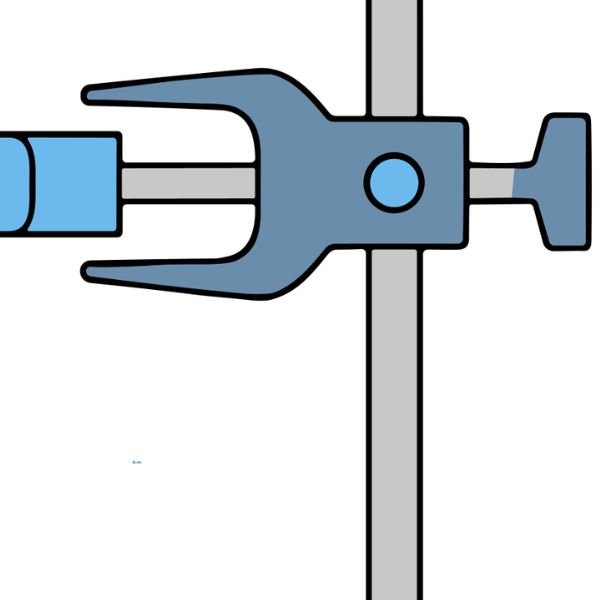
The stopcock regulates liquid flow.
Common materials include:
- PTFE (Teflon)
- Glass stopcock
- Polypropylene
PTFE stopcocks are preferred because they:
- Resist chemical corrosion
- Operate smoothly
- Require less maintenance
- Prevent leakage
4. Delivery Tip
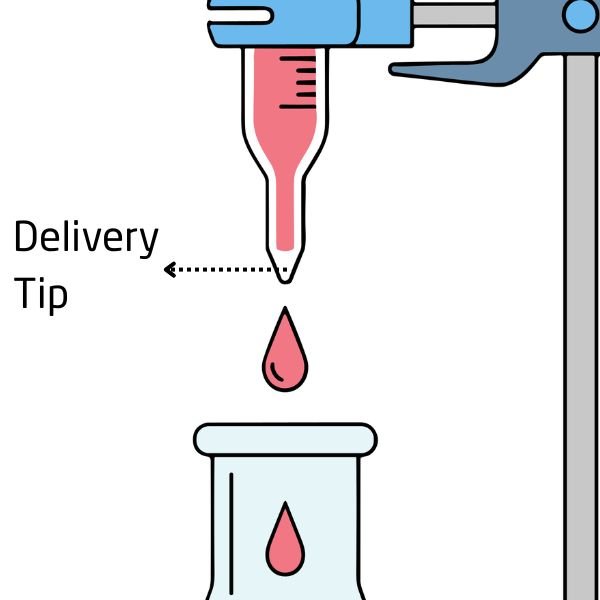
The narrow delivery tip allows controlled discharge of the liquid. Slow, dropwise delivery is particularly useful when approaching a titration endpoint.
5. Filling Opening
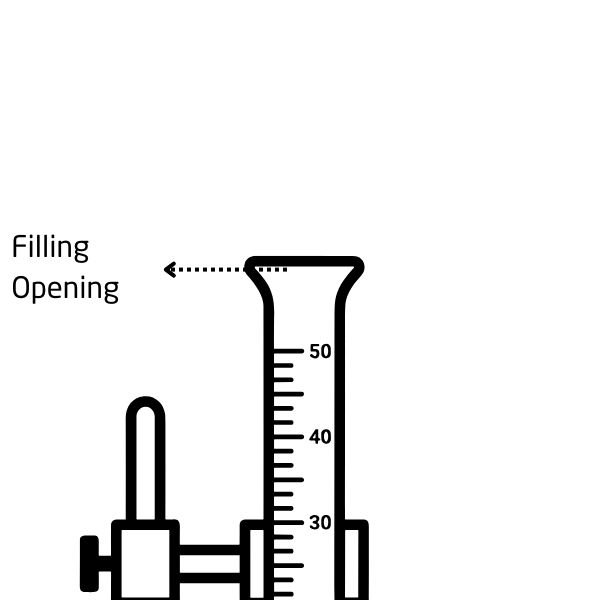
The upper opening is used to introduce the reagent into the burette before beginning the experiment.
Burette Stand
A burette stand supports the burette in a stable vertical position during laboratory work. A typical setup includes a base, vertical support rod, clamp, and boss head.
Keeping the burette securely positioned helps the operator read the scale correctly and control the liquid delivery during titration.
Burette Set
A laboratory burette setup may include:
- Burette
- Burette stand
- Burette clamp
- Boss head
- Filling funnel
- Cleaning accessories
The exact contents can vary depending on the type of burette and laboratory requirements.
Types of Burettes
Different burette designs are available for different laboratory applications.

1. Glass Burette
Glass burettes are widely used for analytical chemistry and educational laboratory applications. Borosilicate glass provides good chemical resistance and allows the liquid level to be viewed through the transparent tube.
2. Automatic Burette
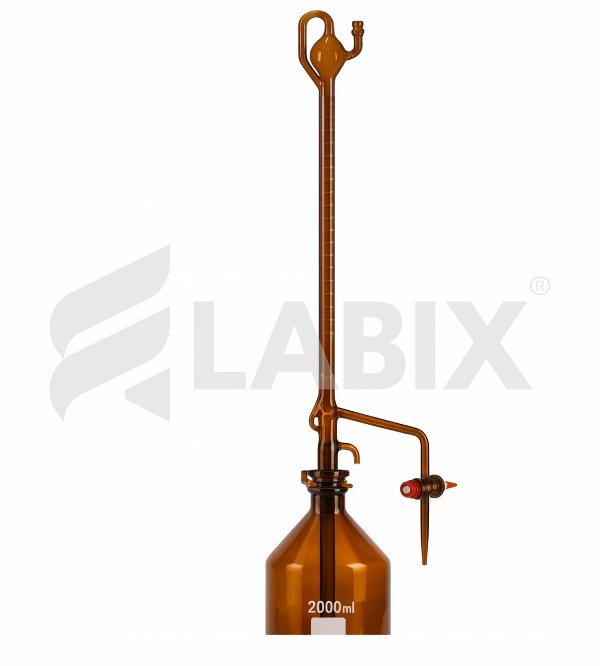
An automatic burette incorporates a reagent reservoir or filling arrangement that can simplify the refilling process. These systems are useful for laboratories performing repeated titration procedures.
LABIX Labware’s product range includes automatic zero burettes and automatic burettes with reservoirs.
3. Digital Burette
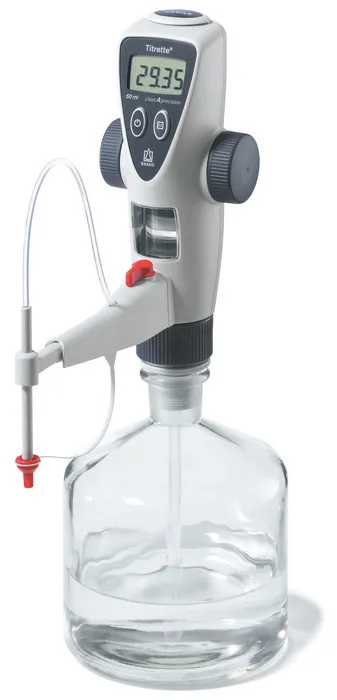
Digital burettes use a dispensing mechanism with a digital display to help users control and monitor the amount of reagent delivered. They can be useful where precise and repeatable dispensing is required.
4. Bottle Top Burette
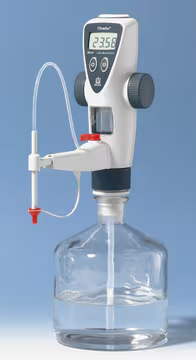
A bottle-top burette is fitted directly onto a reagent bottle. This configuration can be convenient for routine dispensing and titration applications by reducing the need to repeatedly transfer reagents.
Working Principle of a Burette
A burette operates by allowing a controlled amount of liquid to flow through its stopcock.
The basic procedure is:
- Clean and rinse the burette as required.
- Fill it with the selected reagent.
- Remove air bubbles from the tip.
- Record the initial liquid reading.
- Open the stopcock and deliver the reagent gradually.
- Stop the flow at the required endpoint.
- Record the final reading.
- Calculate the volume delivered.
Volume Delivered = Final Reading − Initial Reading
Accurate reading and controlled liquid delivery are essential for reliable titration results.
Materials Used in Manufacturing Burettes
Laboratory burettes are commonly manufactured using materials selected for dimensional stability, transparency, and chemical compatibility.
Common materials include:
- Borosilicate glass
- PTFE
- Glass stopcock components
- Polypropylene components
- Suitable sealing materials
The specific material combination depends on the design and intended application.
Standard Burette Capacities
Burettes are available in different capacities depending on the application. Common laboratory capacities include:
- 10 mL
- 25 mL
- 50 mL
- 100 mL
The appropriate capacity should be selected according to the volume range required for the analytical procedure.
Applications of Burettes
Burettes are commonly used for volumetric analysis and titration across several laboratory sectors.
Chemical Laboratories
Typical applications include:
- Acid-base titration
- Redox titration
- Complexometric titration
- Precipitation titration
- Quantitative chemical analysis
Pharmaceutical Industry
- Burettes can be used in analytical testing, raw-material analysis, quality control, and other volumetric procedures.
Food Industry
- They may be used for applications such as acidity determination, chemical analysis, and quality-control testing.
Water Testing Laboratories
- Burettes are used in various water-analysis procedures, including measurements related to hardness, alkalinity, and chloride content.
Educational Institutions
Schools, colleges, and universities use burettes for chemistry practicals and demonstrations involving titration and volumetric analysis.
Research Laboratories
Research laboratories use burettes in analytical chemistry, environmental testing, chemical research, and other quantitative laboratory procedures.
Advantages of Using a Burette
A burette provides several advantages for laboratory analysis:
- Controlled liquid dispensing
- Graduated volume measurement
- Suitable for titration
- Precise reagent addition
- Easy observation of the liquid level
- Reusable laboratory design
- Availability in different capacities and configurations
The actual measurement performance depends on the burette’s design, calibration, class, operating technique, and laboratory conditions.
How to Read a Burette Correctly
Correct reading technique is important for obtaining reliable measurements.
Follow these basic practices:
- Keep the burette vertical.
- Make sure the tip is free of air bubbles.
- Read the liquid level at eye height.
- Avoid parallax when viewing the graduation scale.
- Read the appropriate point of the meniscus.
- Record initial and final readings carefully.
Consistent technique helps reduce avoidable measurement errors.
Common Errors While Using a Burette
Several factors can affect burette readings and titration results:
- Air bubbles in the delivery tip
- Incorrect meniscus reading
- Parallax error
- Leakage around the stopcock
- Dirty or contaminated glassware
- Incorrect filling
- Rapid or uncontrolled dispensing
- Improper cleaning
Careful preparation and consistent laboratory technique can help minimize these problems.
Cleaning and Maintenance
Proper cleaning and maintenance help preserve the performance of a burette.
Recommended practices include:
- Rinse the burette after use.
- Use an appropriate laboratory cleaning solution when required.
- Remove chemical residues promptly.
- Inspect the stopcock and delivery tip for leakage.
- Check the glass for cracks or damage.
- Store the burette appropriately.
- Follow the manufacturer’s cleaning and maintenance recommendations.
For glass stopcocks, lubrication should only be performed when appropriate for the specific design and manufacturer instructions.
Calibration of a Burette
Calibration is used to verify the measurement performance of volumetric glassware.
A calibration procedure may involve delivering a known quantity of water under controlled conditions and comparing the measured result with the expected value.
For laboratories operating under quality systems, calibration should be performed according to the applicable laboratory procedures and standards.
LABIX states that its in-house calibration facility uses automated systems and includes calibration processes for volumetric glassware such as burettes, cylinders, and pipettes. The company also states that its facility is ISO/IEC 17025:2017 accredited.
Safety Precautions
When using a burette:
- Wear appropriate laboratory PPE.
- Secure the burette firmly using a suitable clamp.
- Handle glassware carefully.
- Check for cracks or damage before use.
- Avoid excessive force on the stopcock.
- Handle corrosive or hazardous reagents according to their safety requirements.
- Clean chemical spills promptly.
Always follow the laboratory’s safety procedures and the chemical manufacturer’s instructions.
How to Choose the Right Burette
Consider the following factors when selecting a burette:
- Required capacity
- Graduation and accuracy requirements
- Glass type
- Stopcock design
- Stopcock material
- Chemical compatibility
- Calibration requirements
- Intended application
- Maintenance requirements
LABIX Labware’s current range includes multiple burette designs within its volumetric and graduated glassware category, including automatic and amber-colour burettes with different stopcock configurations.
Difference Between a Burette, Pipette, and Measuring Cylinder
| Feature | Burette | Pipette | Measuring Cylinder |
|---|---|---|---|
| Accuracy | Very High | Very High | Moderate |
| Dispensing | Adjustable | Fixed Volume | General Measurement |
| Stopcock | Yes | No | No |
| Titration Use | Yes | Limited | No |
| Precision | Excellent | Excellent | Average |
Why is a burette important in analytical chemistry?
Analytical chemistry often requires accurate measurement and controlled addition of reagents. A burette allows the user to deliver a reagent gradually while monitoring the reaction endpoint.
This makes it an important instrument for volumetric analysis and titration, particularly when determining the concentration of an unknown solution.
Conclusion
A burette is an essential laboratory instrument for controlled liquid dispensing and volumetric analysis. Its graduated scale, stopcock, and delivery tip allow reagents to be added carefully during titration procedures.
Understanding the burette diagram, parts, types, working principle, applications, maintenance, calibration, and correct reading technique helps laboratory users obtain more consistent results.
LABIX Labware manufactures and supplies laboratory glassware and related labware for research, pharmaceutical, educational, chemical, and other scientific applications. Its product range includes burettes, pipettes, flasks, measuring cylinders, condensers, stopcocks, and other laboratory products.